

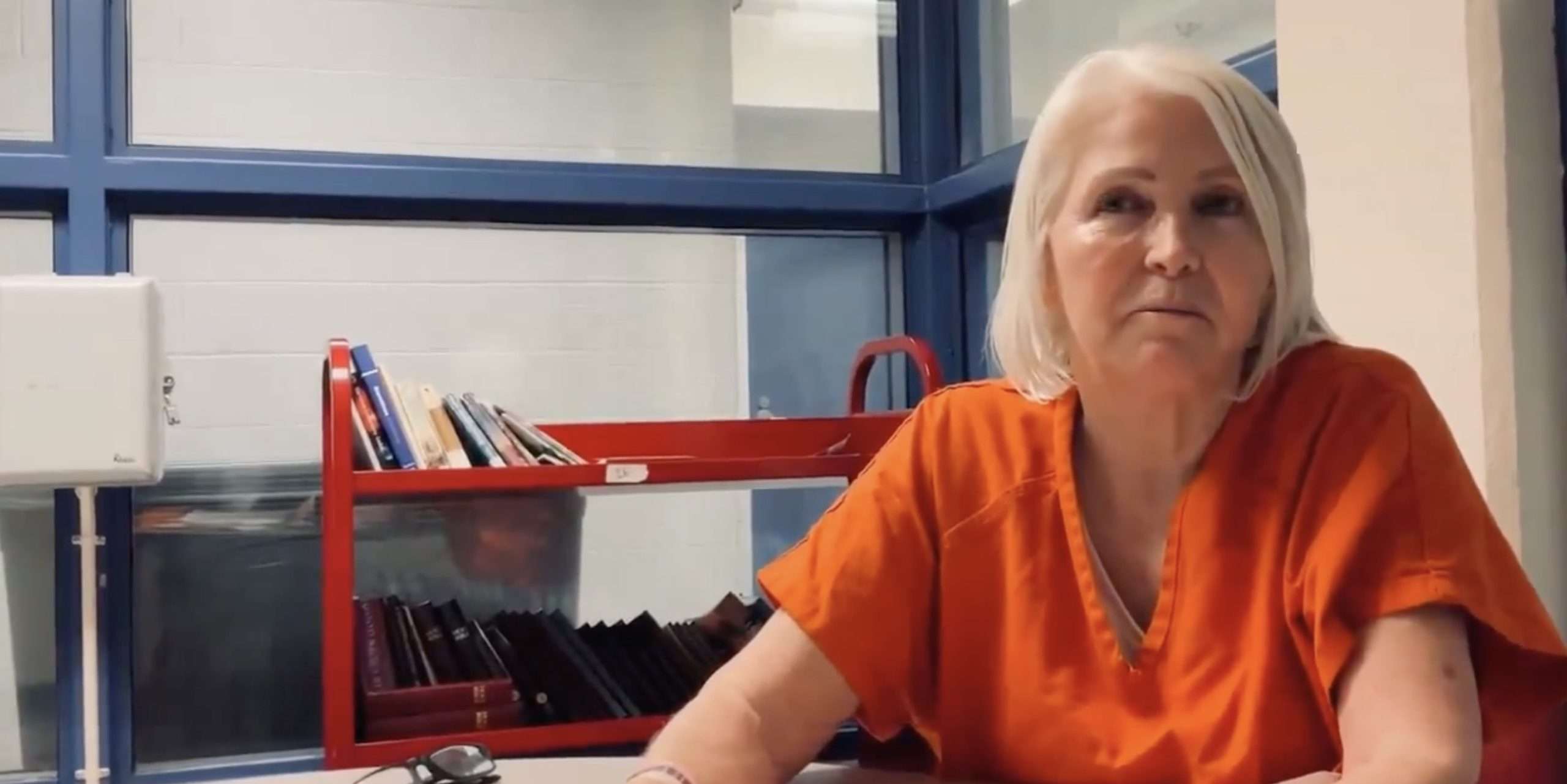
The Colorado Court of Appeals issued an order January 29 rejecting the prosecution’s characterization of their post-argument filing as a typo correction. The Court will treat it as a new legal argument filed nine days after oral arguments concluded.
The prosecution filed a “Notice of Erratum” January 23 arguing the criminal impersonation statute in effect during Peters’ May 2021 conduct classified the offense solely as a class 6 felony. Neither party raised this point during six months of briefing or at January 14 oral arguments. The judges also did not notice it.
Judge Craig Welling told prosecutors during oral arguments: “I am baffled as to the position that’s being taken — that we can somehow overlook that” Peters was convicted of felony conspiracy using misdemeanor statute language.
The 2023 amendment created both misdemeanor and felony versions of the offense. The prosecution contends the felony-only version in effect in May 2021 is what the trial court applied and what properly governs. If Peters can show the jury instructions relied on misdemeanor elements, the felony conviction may not survive.
The Court’s order stated: “Nearly six months after filing their answer brief and more than a week after oral argument, the People for the first time bring our attention to a 2021 amendment.”
The Court wrote the filing “is not an errata, which is generally used to correct an isolated misstatement of fact or incorrect citation to authority. The Notice is more in the nature of a brief containing a supplemental argument.”
Peters’ attorneys have 14 days to respond. The prosecution may file a reply within seven days.
Peters was convicted of conspiracy to commit criminal impersonation as a class 6 felony for misrepresenting election conspiracy theorist Conan Hayes as county employee Gerald Wood during a 2021 software update. The conviction carries 15 months of her nine-year sentence.
The prosecution had six months to raise the 2021 statutory amendment in briefing. They raised it nine days after oral arguments where Judge Welling expressed being “baffled” by their statutory interpretation.
The Court is now allowing briefing on a statutory interpretation issue after oral arguments concluded—an issue that directly addresses the judges’ primary concern and could have been raised at any point during six months of briefing.
Support Independent Local Journalism — High Country Advocate was created as a real alternative to regional media that too often silences dissenting voices while taking sides in the political struggle. Producing in-depth, unflinching reporting like this series and others is expensive: servers, editing, research time, and legal review all add up quickly. If these articles have informed you or given you new perspective, please consider supporting HCA with a paid subscription — every subscriber helps keep this reporting strong and independent. 