

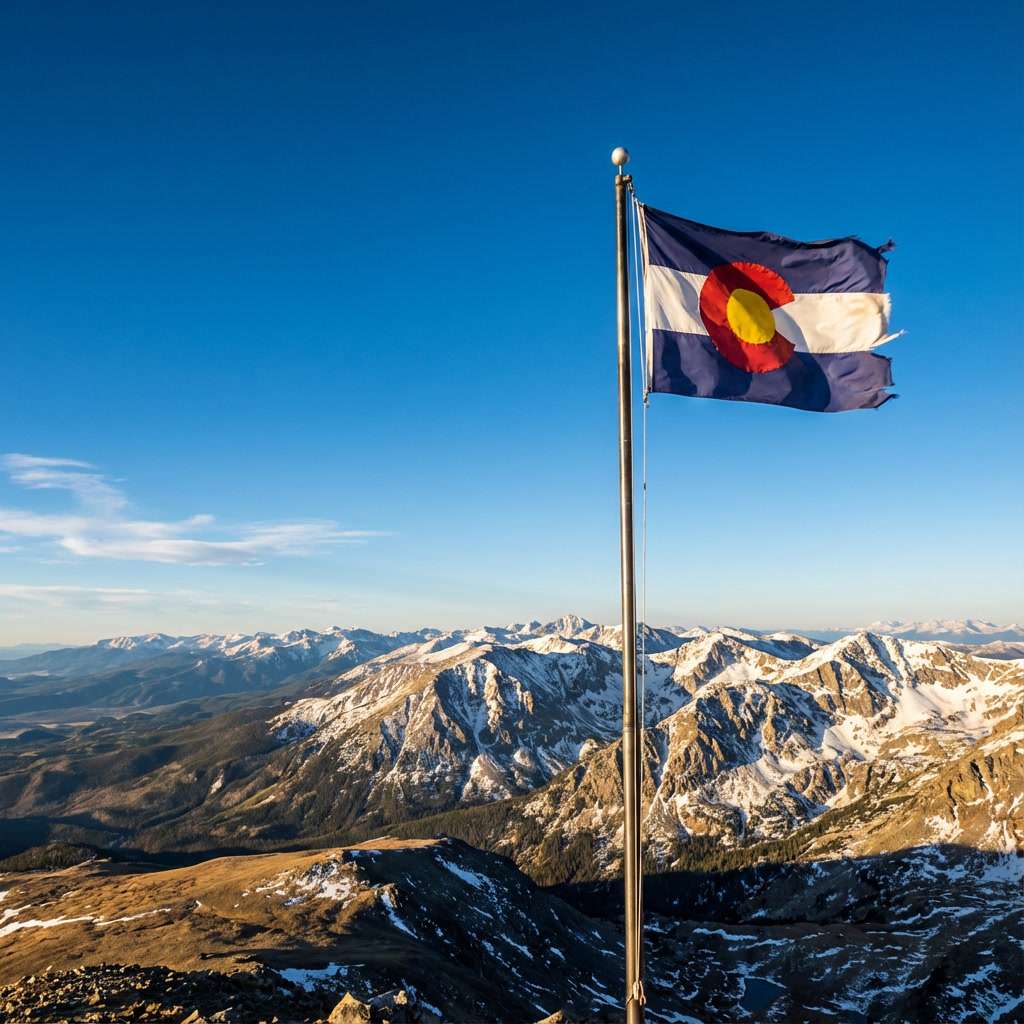
Senator Mark Baisley opened Monday’s floor session with a four-minute speech defending federal immigration enforcement. The Woodland Park Republican outlined legal immigration’s framework—1.2 million annually through three-part vetting including background checks, economic assessment, and manageable numbers for assimilation. He referenced the Laken Riley case and crimes by unvetted individuals, contrasting current enforcement with previous administration policies he called “chaos” versus “order that had been in place for decades.”
By Friday, Democrats had introduced seven bills addressing immigration enforcement, gun rights, parental custody, housing policy, local zoning authority, and union elections.
Senator Tom Sullivan and Representative Meg Froelich introduced SB26-004 expanding who can petition for extreme risk protection orders. The bill adds healthcare facilities, behavioral health facilities, K-12 schools, and higher education institutions as petitioners authorized to seek gun confiscation orders. It passed Senate State, Veterans & Military Affairs 3-2 on party lines Tuesday after four hours of testimony. Rocky Mountain Gun Owners led opposition citing Second, Fourth, and Fifth Amendment violations.
Senators Mike Weissman and Julie Gonzales introduced SB26-005 creating state court lawsuits against federal immigration officers for alleged constitutional violations. The bill strips sovereign, qualified, and supremacy clause immunity, mandating plaintiff attorney fees. Representatives Javier Mabrey and Yara Zokaie sponsor the House companion.
Senators Chris Kolker and Katie Wallace, with Representatives Meg Froelich and Lorena García, introduced SB26-018 suppressing court records for minor name changes and requiring courts to consider whether parents “recognize the child’s identity as it relates to a protected class” when determining custody and parenting time.
Representatives Andrew Boesenecker and Javier Mabrey, with Senators Tony Exum and Julie Gonzales, introduced HB26-1001—the HOME Act—allowing nonprofits, transit agencies, schools, and universities to bypass local zoning and build housing up to three stories. Cory Gardner’s Colorado Accountability Project analyzed the bill’s substitution of state judgment for local control.
Representatives Jennifer Bacon and Javier Mabrey, with Senators Jessie Danielson and Iman Jodeh, reintroduced HB26-1005 eliminating Colorado’s 80-year-old Labor Peace Act requirement for a second election before unions can compel non-member dues. Governor Polis vetoed this legislation in 2025.
Senator Lynda Zamora Wilson introduced SB26-027, the Parental Equality and Child Empowerment Act, creating a rebuttable presumption for equal parenting time when parents live within 25 miles of their child’s school.
Senator Dylan Roberts with Representatives Andrew Boesenecker and Chris Richardson introduced SB26-001, allowing counties to use property tax revenue for workforce housing programs.
Seven bills received separate constitutional and policy analyses available from HCA.
Tuesday brought additional committee votes. HB26-1045, defining assistance animals and emotional support animals in housing law, passed House Transportation, Housing & Local Government 9-3 and moved to Friday’s House second reading.
Baisley’s SB26-030, creating grants for local governments to improve state park access roads, was postponed to February 10. The bill still lacks a House sponsor.
Wednesday, SB26-010 received its hearing in Senate Agriculture & Natural Resources. The bill expands agricultural property tax exemptions to hog operations and livestock raised in pasture-based operations. State fiscal analyst Dave Hansen testified revenue impact would be “tens of thousands of dollars.”
Thursday, SB26-001 passed Senate Local Government & Housing Committee 4-3 on party lines despite having a Republican House sponsor. Senators Baisley, Liston, and Rich voted against the workforce housing bill. Joint Budget Committee meetings finalized supplemental requests and package bills.
Friday scheduled second reading votes on SB26-004 and HB26-1045.
The second week produced one Republican bill and six Democratic bills addressing gun rights, federal authority, parental rights, housing policy, local control, and workplace representation. Baisley’s Monday speech addressed federal immigration enforcement. By Friday, legislation had been introduced addressing each topic he discussed.
Support Independent Local Journalism — High Country Advocate was created as a real alternative to regional media that too often silences dissenting voices while taking sides in the political struggle. Producing in-depth, unflinching reporting like this series and others is expensive: servers, editing, research time, and legal review all add up quickly. If these articles have informed you or given you new perspective, please consider supporting HCA with a paid subscription — every subscriber helps keep this reporting strong and independent. 