

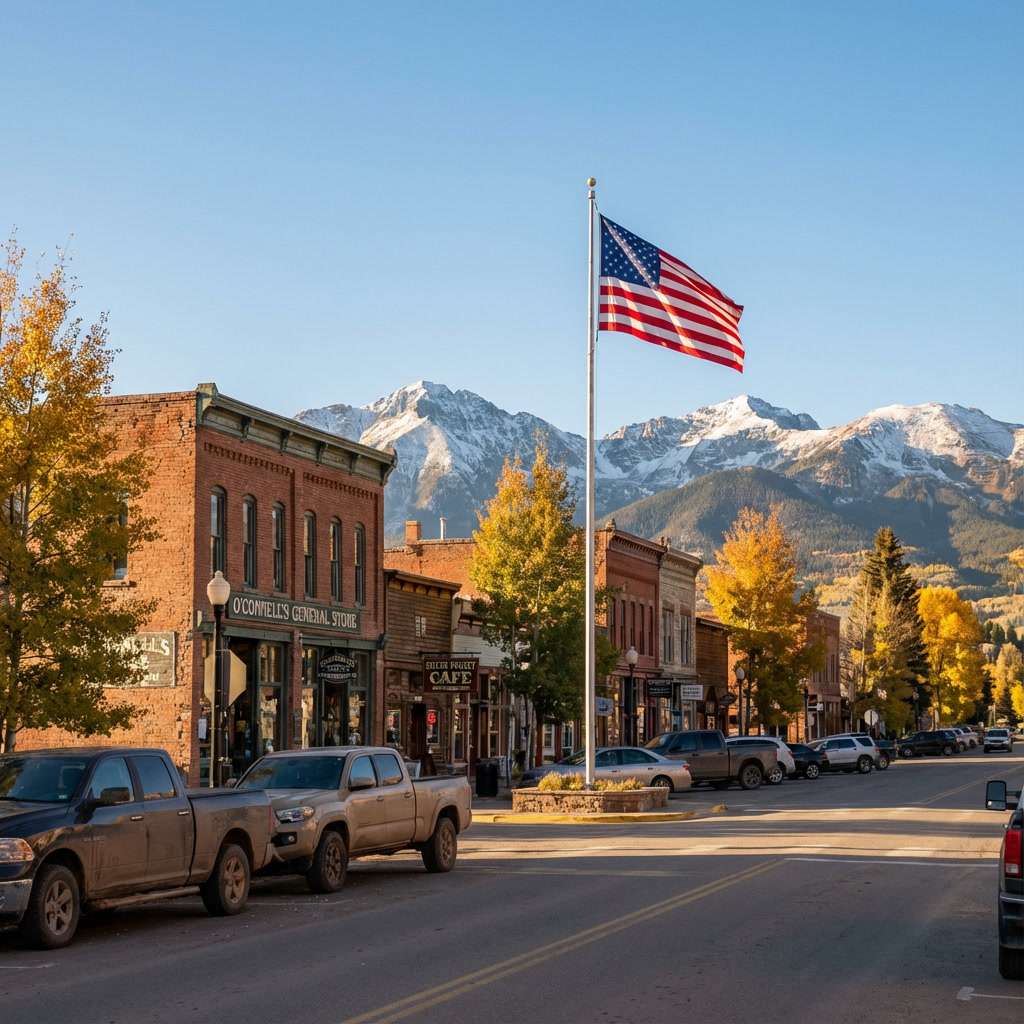
Colorado’s mountain communities faced a week of mounting costs and questionable contracts as local governments grappled with state mandates, housing crises, and taxpayer-funded monopolies that benefit private companies more than residents.
Housing Crisis Compounds Costs
Alamosa City Council added at least $14,900 to new home construction costs by adopting Colorado’s mandatory wildfire code, with Mayor Ty Coleman warning that homes costing $325,000 to build but appraising at $320,000 leave buyers underwater at closing. The code covers Alamosa’s newest development near the golf course—exactly where the city’s highest-priced homes are going up. Without the code, Coleman noted, insurance companies won’t cover Colorado homes, and banks won’t lend on uninsured properties.
In Aspen, the housing crisis took a different turn as City Council approved a 60-unit workforce housing project for Aspen Valley Health despite neighbor objections over density and blocked sunlight. The project serves roughly 550 hospital employees and supports AVH’s goal of owning 256 workforce units within a decade. Council also awarded $2.19 million in nonprofit grants while directing staff to consider a $2 million contribution toward acquiring the Cavern Springs Mobile Home Park in Glenwood Springs—a housing preservation move amid exceptional drought conditions.
Breckenridge advanced an affordable housing fast-track process that could unlock up to $2 million in state funding under Colorado’s Proposition 123, with Community Development Assistant Director Chris Kulick noting the Runway Development project specifically could qualify for the full amount.
Taxpayer Subsidies for Private Profits
The most damning accountability story emerged in Breckenridge, where taxpayers subsidize a private delivery monopoly that costs $3.19 per product delivered to downtown businesses. Town Council made the E-Delivery program permanent despite generating only 19 percent of its $1.54 million operating costs through distributor fees. The remaining $1.24 million comes from taxpayers whether they patronize the served businesses or not.
The contractor, 106West Logistics, was selected without competitive bidding based on a “trusted relationship” from Vail—where the same company received a contract without public advertisement, violating town bidding ordinances. The data used to justify Breckenridge’s program doesn’t survive scrutiny: claimed emissions reductions lack any documented methodology, and the 482,366 “products” delivered since launch are never defined—a product could be a single bottle or full case.
Infrastructure Spending Across Counties
Grand County commissioners approved a $746,639 loan for three new road graders while deferring the state’s wildfire code until June 9, citing concerns about construction costs and unclear enforcement provisions. The county adopted the 2021 International Building Code but questioned why the wildfire code would require entire home exteriors to meet new standards when adding just 500 square feet.
Summit County approved a Copper Mountain wastewater plant expansion and Blue River Trail extension while handling tax abatement disputes. Fremont County tabled septic regulations until April 28 while approving $2.31 million in bills. Park County approved a federal grant for a Bailey/U.S. 285 safety study to address an area where crossing the highway is “extremely dangerous.”
Corruption and Legal Troubles
Custer County faced an ethics crisis as Commissioner Bill Canda heard a resident’s request that he recuse himself from financial matters following his April 10 arrest on felony tax evasion charges. Canda posted $1,250 bond and is presumed innocent, but resident Staci Kish asked whether “an impairment of public trust may reasonably be questioned.” The county also expects to pay legal fees defending the district attorney’s office against a bar complaint.
Rio Grande County took a methodical approach to an eight-acre Del Norte rodeo and fairgrounds proposal, scheduling a site visit before deciding on a 25-foot easement across county land. Commissioners questioned emergency vehicle access and turning radius for 18-wheelers.
Public Services Under Strain
La Puente Food Bank Director Annalise Baer told Alamosa Council that residents now visit the food bank five to six times per year on average, up from two to three times just two years ago. The food bank served more than 3,000 unduplicated Alamosa residents in 2025—roughly 30 percent of the city’s population. The organization’s busiest single day came in October 2025 when a SNAP lapse created lines stretching from the food bank to Southside Suds.
From mandatory wildfire codes that price families out of homeownership to taxpayer-subsidized monopolies that pad private profits, Colorado’s mountain communities are paying more while getting less accountability from the officials they elected to serve them.
Support Independent Local Journalism — High Country Advocate was created as a real alternative to regional media that too often silences dissenting voices while taking sides in the political struggle. Producing in-depth, unflinching reporting like this series and others is expensive: servers, editing, research time, and legal review all add up quickly. If these articles have informed you or given you new perspective, please consider supporting HCA with a paid subscription — every subscriber helps keep this reporting strong and independent. 