
Colorado’s Public Utilities Commission mandated the phase-out of natural gas heating on December 2. Two weeks later, 100 mph winds knocked down power poles and cut electricity to more than 100,000 homes for up to three days—leaving those with natural gas heat warm and those without it cold.
The PUC decision requires utilities to cut natural gas emissions 41% by 2035 and eliminate them entirely by 2050. Compliance forces conversion from gas furnaces to electric heat pumps.
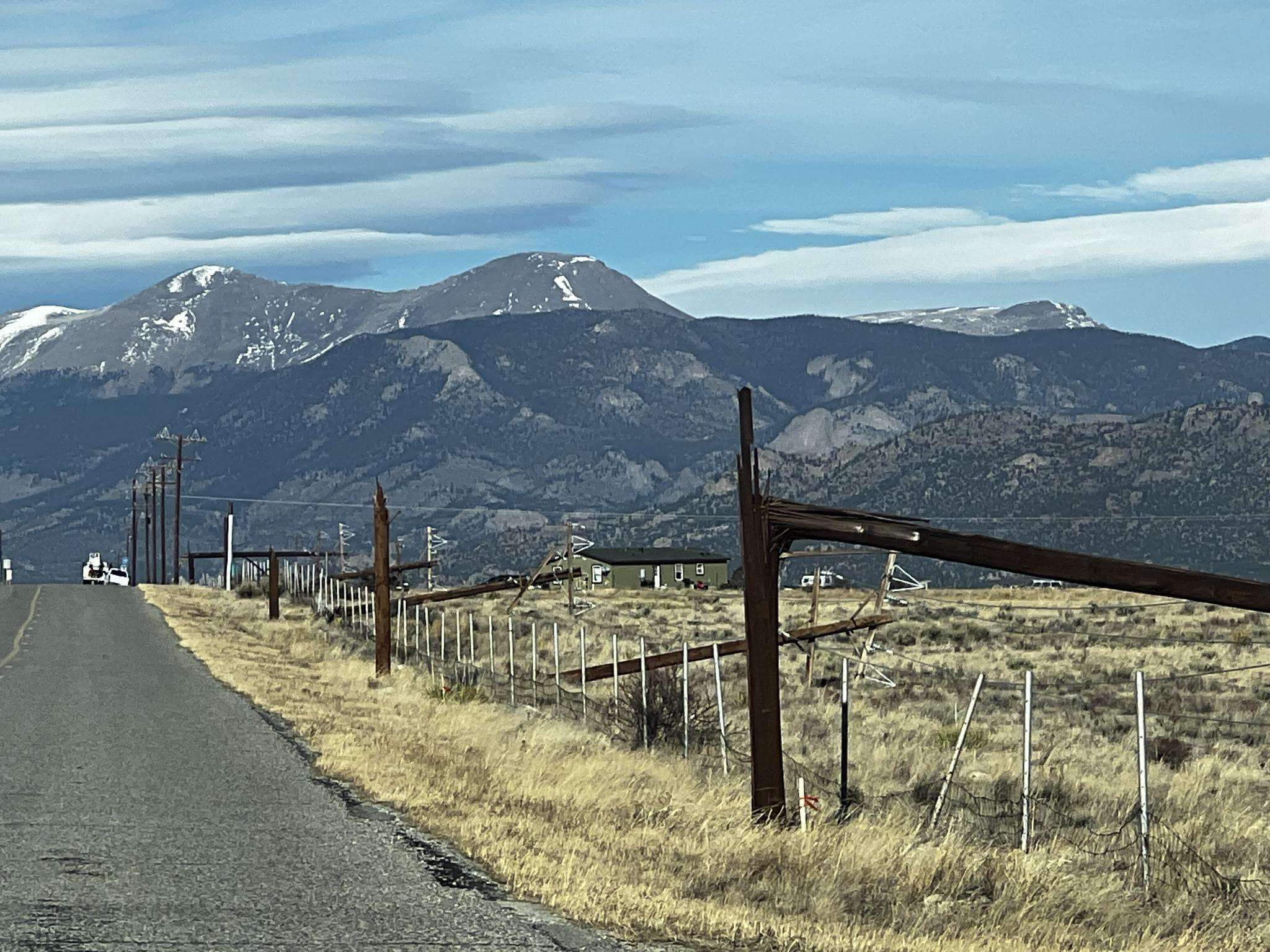
On December 17, hurricane-force winds hit the Front Range. Xcel Energy deliberately shut off power to 69,000 customers to prevent downed lines from sparking wildfires. Wind gusts exceeding 100 mph snapped power poles along Highway 93 near Golden. Another 69,000 customers lost power Friday when winds returned.
Restoration required crews to inspect 678 miles of power lines before re-energizing. Broken poles and crossarms extended outages to three days. Golden city officials told residents not to expect power through the weekend.
Homes with natural gas heat stayed warm. Natural gas delivery operates independently from the electric grid. Electric heat pumps require electricity. When the grid fails, they stop.
Xcel implemented its first Colorado safety shutoff in April 2024, cutting power to 55,000 customers with another 250,000 losing power from wind damage. The pattern continues.
Common Sense Institute projects electricity rates rising 56% by 2030 as utilities invest in renewable infrastructure. Increasing electric heating load during winter while reducing dispatchable natural gas generation creates the conditions that caused this week’s extended outages.
The week before Christmas, thousands of Colorado families learned which heating system works when weather gets severe enough to knock down the grid. The PUC’s 2050 mandate eliminates that option and makes everyone dependent on infrastructure that just proved it can’t deliver when conditions demand heat most.
Support Independent Local Journalism — High Country Advocate was created as a real alternative to regional media that too often silences dissenting voices while taking sides in the political struggle. Producing in-depth, unflinching reporting like this series and others is expensive: servers, editing, research time, and legal review all add up quickly. If these articles have informed you or given you new perspective, please consider supporting HCA with a paid subscription — every subscriber helps keep this reporting strong and independent.